
When you first step into the world of junk journaling, it can feel like learning a new language. Words like ephemera, signatures, or tuck spots may pop up before you’ve had a chance to understand what they mean — and that can feel a little overwhelming.
This guide is here to gently demystify junk journal terminology, one term at a time. There’s no need to memorize everything. Think of this as a friendly reference you can return to whenever a new word catches your curiosity.
If you’re brand new to the craft, you may also enjoy starting with this beginner guide explaining what junk journaling is and how it works.

Why Junk Journal Terminology Matters
Learning common junk journaling terms helps you:
- Follow tutorials with confidence
- Understand patterns and journal structures
- Communicate ideas with other journalers
- Feel more at ease in the creative community
That said, knowing the words is never more important than enjoying the process. Junk journaling is meant to feel welcoming, not intimidating.
Common Junk Journal Terms (Beginner-Friendly Guide)
Below are some of the most commonly used junk journal terms, explained in plain language — with how you’ll actually use them while crafting.
Ephemera
Ephemera refers to small paper pieces that add interest and storytelling to your journal. These are often items that were originally meant to be temporary.
Examples include:
- Tickets and receipts
- Vintage advertisements
- Tags and labels
- Postcards and notes
Ephemera are often layered onto pages or tucked into pockets for decoration and meaning.
Signature
A signature is a group of pages folded together and sewn into the journal’s spine. Most junk journals are made up of several signatures.
Each signature can have its own feel or theme, or simply help balance the journal’s structure.
Tuck Spot
A tuck spot is a small area where an item can be slid or “tucked” into a page. It’s often created by gluing down part of a paper or embellishment.
Tuck spots are perfect for:
- Journaling cards
- Tags
- Notes or quotes
A pocket is exactly what it sounds like — a paper space designed to hold ephemera, tags, or photos.
Pockets can be:
- Simple (made from folded paper)
- Decorative (layered and embellished)
- Hidden or visible
They add both function and charm to a page.
Folio
A folio is a folded piece of paper that opens to reveal multiple panels or sections. Folios often include pockets, flips, or writing space.
They’re wonderful for adding interaction and storytelling to a journal spread.
Flip / Flap
A flip or flap is a hinged element that lifts or opens to reveal hidden journaling or decoration underneath.
These elements add movement and curiosity, inviting the journal to be explored slowly.
Backing Paper
Backing papers are plainer pages used behind decorative ones. They provide balance and often serve as a space for writing or layering.
Many journalers enjoy mixing decorative papers with simpler backing pages to give the eye a place to rest.
Base / Journal Base
The base is the foundation of your junk journal — the cover, binding, and basic structure.
A base can be:
- A repurposed book
- A handmade sewn journal
- A binder or altered notebook
Altered Book
An altered book is a pre-existing book that’s been transformed into a junk journal. Pages may be removed, glued together, painted over, or layered.
This is a popular approach for those who love vintage books and visible wear.
Spine
The spine is the binding edge of the journal where signatures are sewn or attached.
Many junk journals have wider spines to allow room for layered pages and embellishments.
Interactive Elements
Interactive elements refer to anything that moves, opens, or hides something within a page.
This includes:
- Pockets
- Tuck spots
- Flips and fold-outs
- Belly bands
These elements make junk journals feel playful and storybook-like.
Snippet Roll
Imagine a tiny scroll of delightful paper or fabric, carefully rolled and tucked into your journal, ready to unfurl its charm at a moment’s notice. A snippet roll is a miniature version of storytelling in your journal, adding a touch of whimsy and surprise as you unwind its treasures.
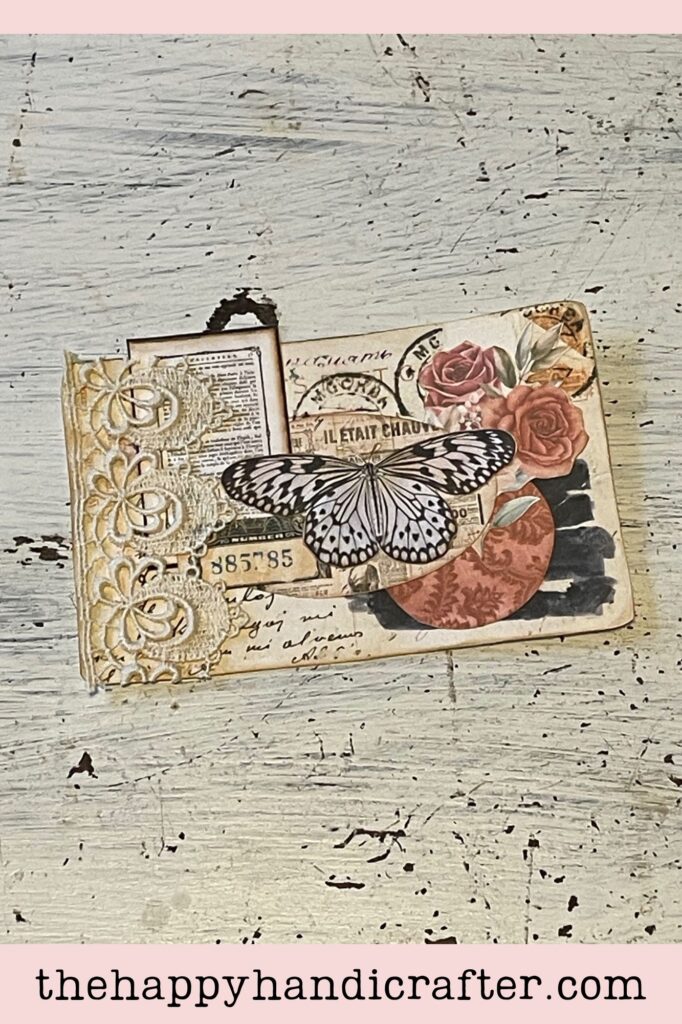
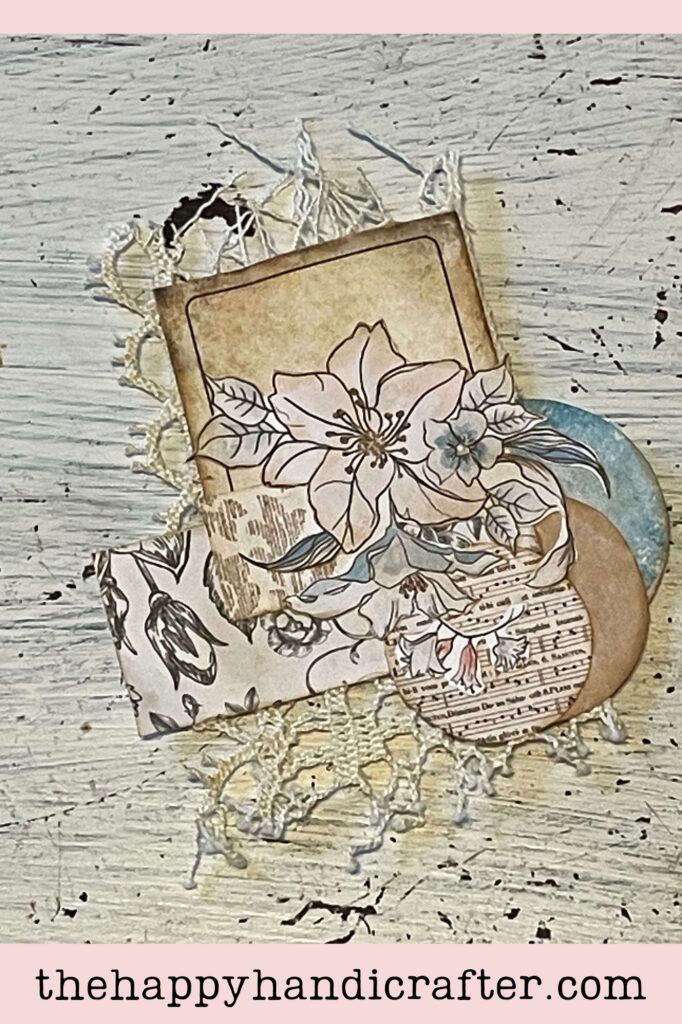
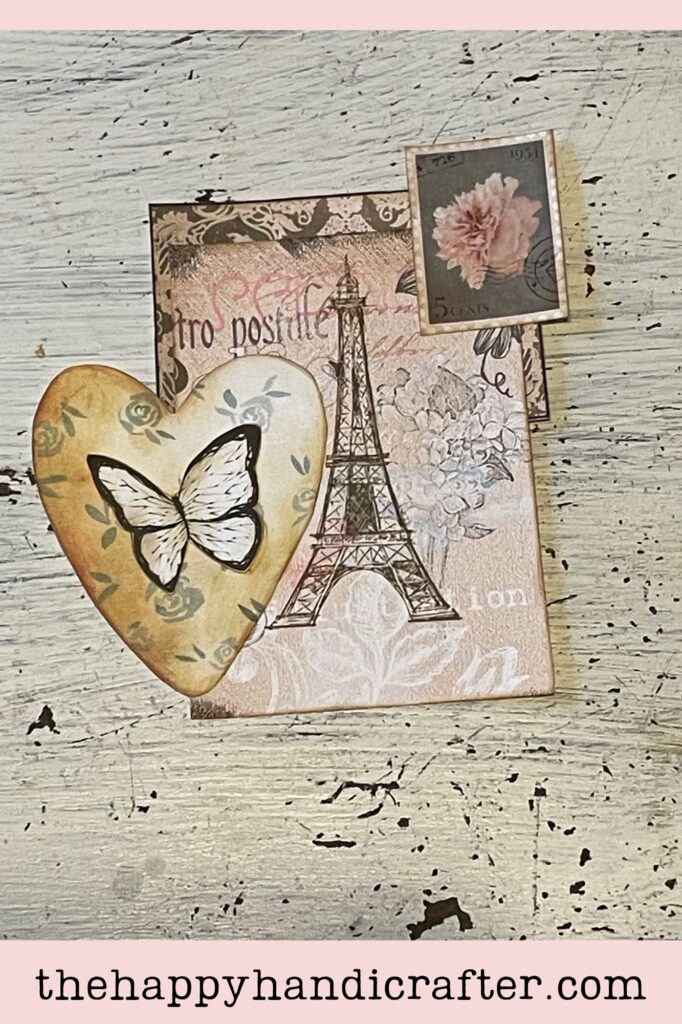
Cluster
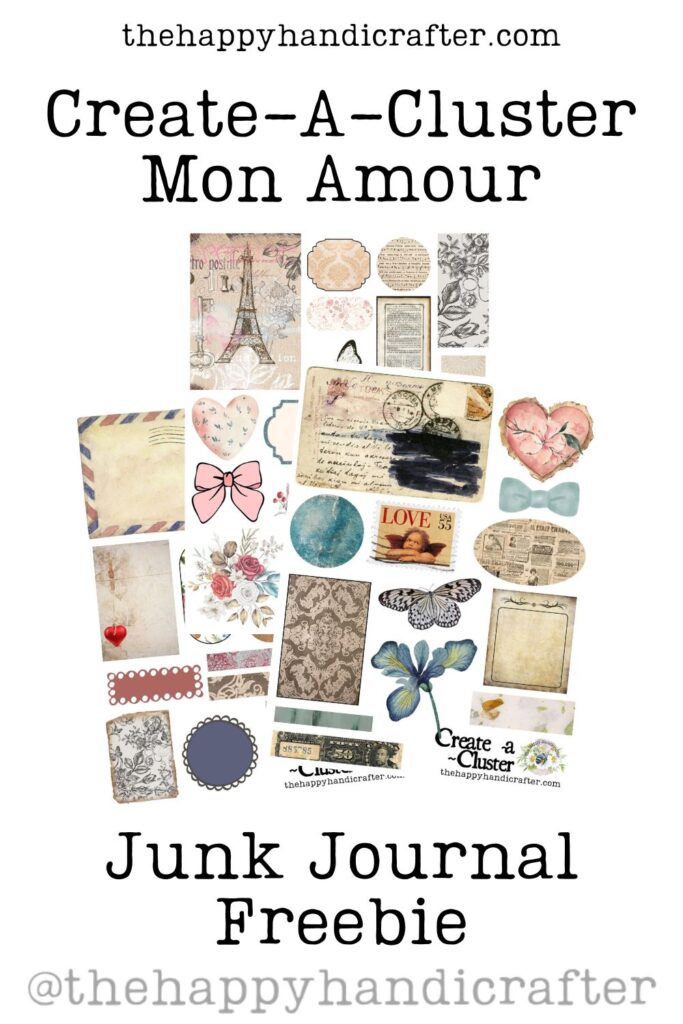
Clusters are charming arrangements of various elements like paper, fabric, beads, or trinkets, clustered together to create a focal point or accent in your journal.
Masterboards
These are oversized sheets decorated with various techniques, colors, and designs, which are then cut down and used as the foundation for multiple journal pages.

Belly Band
No, it’s not a workout accessory! A belly band is a strip of paper or fabric that wraps around your journal, keeping all your precious pages snugly in place.
Journal Card
These are decorated cards used for journaling, jotting down notes, or simply adding a dash of flair to your pages.
Embellishments
Sparkly, shiny, or simply delightful additions that adorn your journal, ranging from ribbons and buttons to charms and beads.
Collage
The art of layering various materials and images to create a cohesive and artistic composition in your journal.
Tag
A decorative piece of cardstock or fabric that you can write on or use as a placeholder in your journal.
Cover Topper
A decorative element placed on top of your journal cover to give it that extra pizzazz and make it truly eye-catching.
Fussy Cut
Precision cutting around a detailed design or image to incorporate it seamlessly into your journal layout.
Kiss Cut
Delicately cutting through the top layer of material (like stickers) without cutting the backing, ensuring easy peeling and application.
Hidden Paperclip
A sneaky way to attach items to your journal pages without the clip being visible, maintaining that clean and cohesive look.
Tab
Tabs are handy markers or dividers in your journal, helping you navigate different sections with ease.
Mixed Media
Combining various artistic mediums such as paints, inks, stamps, and collage materials to create richly textured and visually intriguing journal pages.
Hidden Spine
A technique where the spine of your journal is cleverly disguised or integrated into the design of your cover.
Altered Notebook
Similar to altered books, but starting with a blank notebook or journal and transforming it into a personalized masterpiece.
Artist Trading Card (ATC)
Miniature works of art, usually measuring 2.5 by 3.5 inches, traded among artists and crafters as tokens of creativity and inspiration.
Distress
Adding aging effects, wear, or weathered looks to your journal pages or embellishments to give them a vintage or rustic appearance.
How You’ll Use These Terms While Crafting
You don’t need to use these terms perfectly — or at all — to enjoy junk journaling. Over time, you’ll naturally begin to recognize them while:
- Watching tutorials
- Reading blog posts
- Planning journal layouts
- Talking with other journalers
If you ever forget a term, that’s perfectly okay. Creativity isn’t measured by vocabulary.
Keep Learning at Your Own Pace
Junk journaling is a slow, layered craft — and learning the language happens the same way. One word, one page, one project at a time.
If you’d like to explore how these terms come together inside a finished journal, you may enjoy reading about what to put in a junk journal, including pages, ephemera, and interactive elements.
And when you’re ready to gather tools, I’ve also shared my favorite supplies for junk journaling, with beginner-friendly recommendations.
A Final Gentle Note
You don’t need to “speak the language” to belong in junk journaling. The most important thing is showing up, creating, and letting your journal reflect you.
The rest will come in time.
Let your creativity shine bright! Share your crafting triumphs with fellow enthusiasts in The Happy Handicrafter’s Facebook Group. Whether you’re new to junk journaling or a seasoned pro, our community is your haven for sharing ideas, seeking advice, and celebrating the joy of handmade treasures. Together, let’s transform this crafting corner into a bustling hub of inspiration and camaraderie!